HYDRAGON
From Light to Energy

The vision of Hydragon

Hydragon unites world-leading research teams across material research, solar energy, and green hydrogen — bridging continents, disciplines, and ideas to transform hydrogen production.

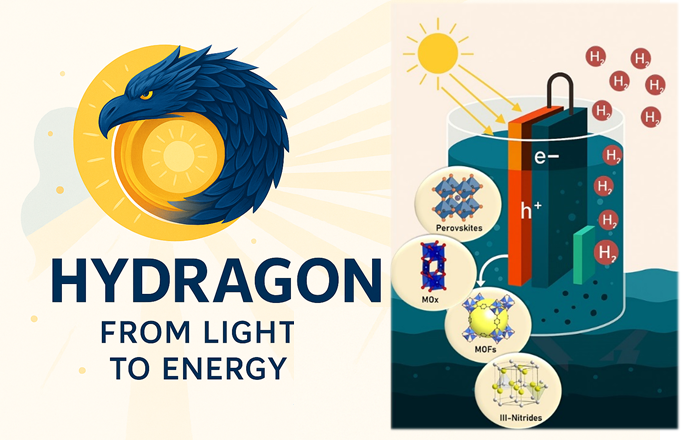
Our mission: The ultimate goal of the project is the fabrication of an efficient photoelectrochemical cell device using direct sunlight irradiation for efficient hydrogen production.
Hydragon logo large

Consortium Partners

Coordinator:
IMDEA Energy Foundation
Partner 2:
Korea Institute of Science and Technology
Partner 3:
Jeonbuk National University
Partner 4:
SAMWHAN CO., LTD
Partner 5:
Istanbul Technical University
Partner 6:
Charles University

Consortium Map

Click markers to learn more about each partner institution.

People

Meet the coordinator and partners of the Hydragon Consortium.
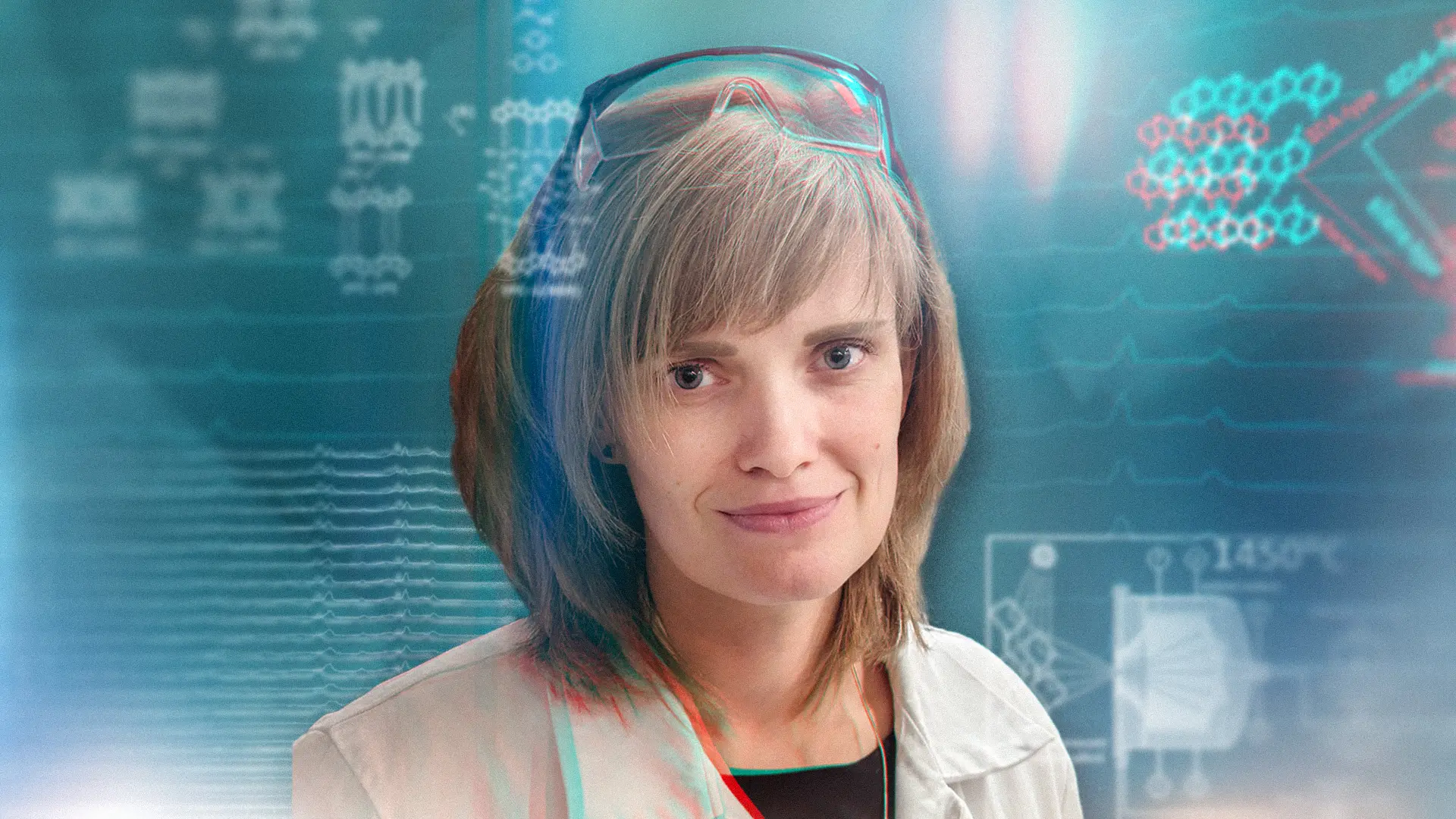
Dr. Patricia Horcajada
Coordinator
IMDEA Energy Institute (Spain)
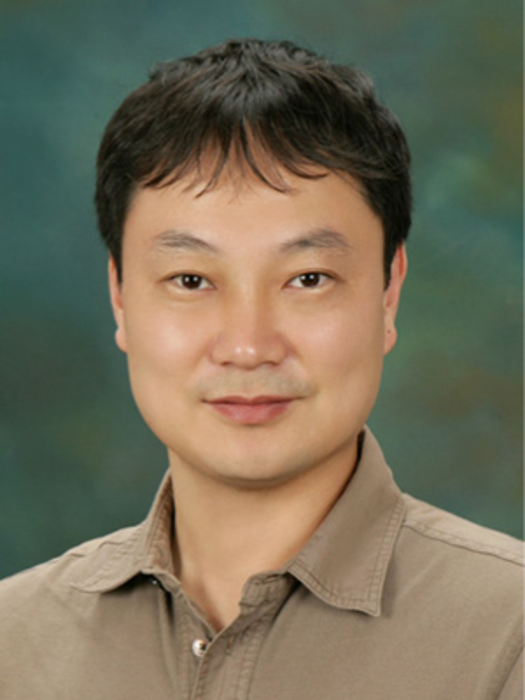
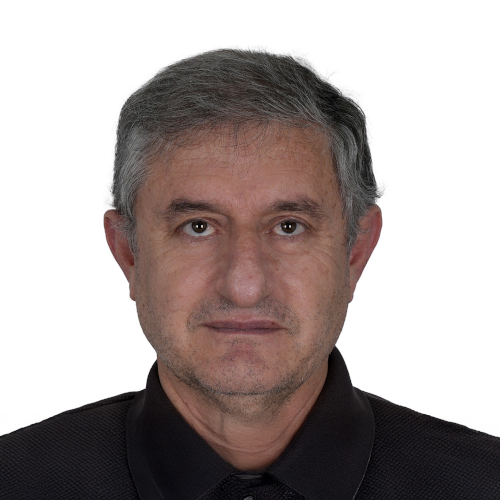
Prof. Dr. Dong Ick Son
Partner
Korea Institute of Science and Technology (KIST)
Prof. Yong-Ho Ra
Prof. Yong-Ho Ra
Partner
Jeonbuk National University (South Korea)
Dr. YounJae Hong
MSc. Jeong Dong-gil
Partner
SAMWHAN
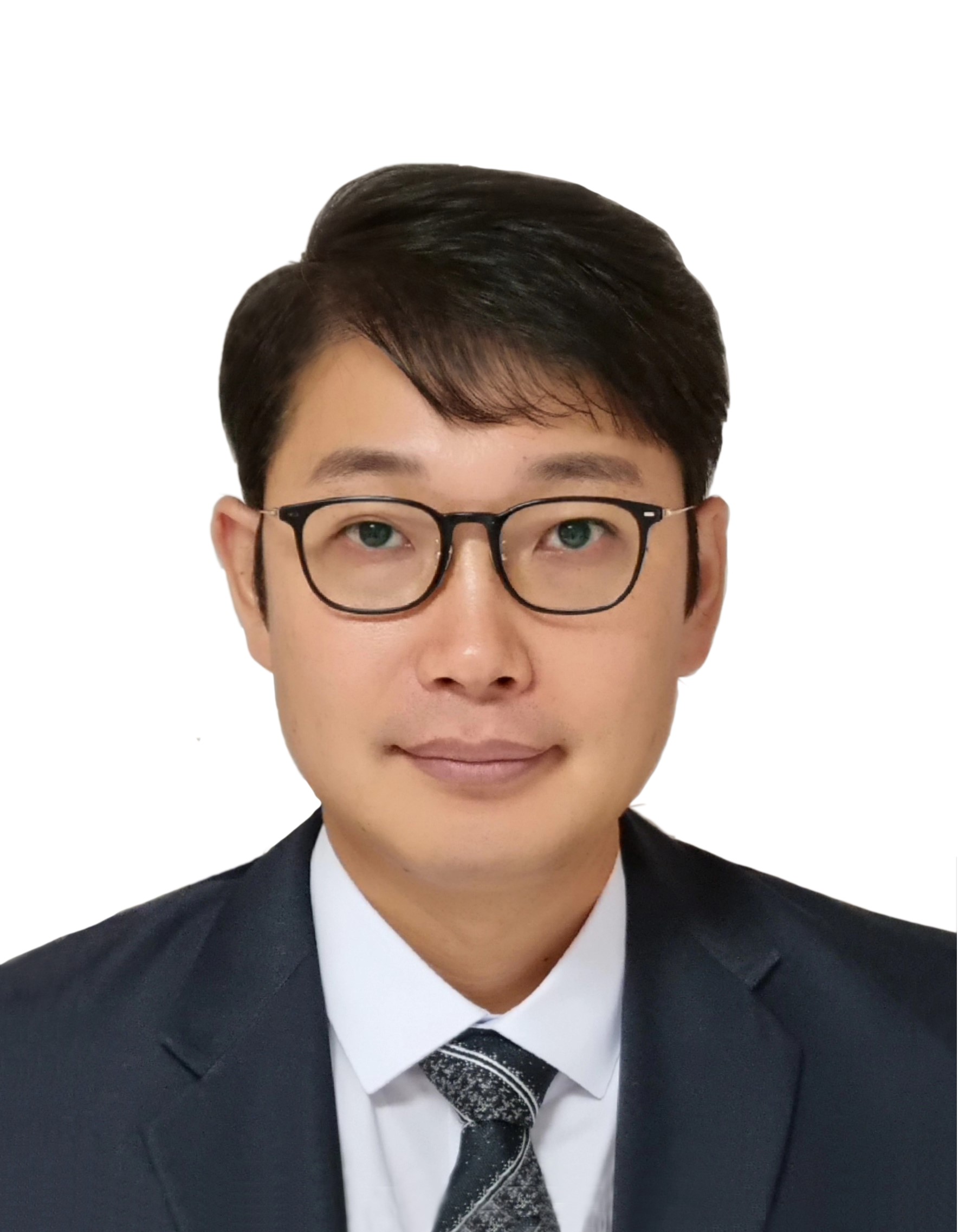
Dr. Mehmet Suha Yazıcı
Partner
Istanbul Technical University (Turkey)
Dr. Pavla Eliášová
Dr. Pavla Eliášová
Partner
Charles University (Czech Republic)
Hydragon scheme large

Research Themes

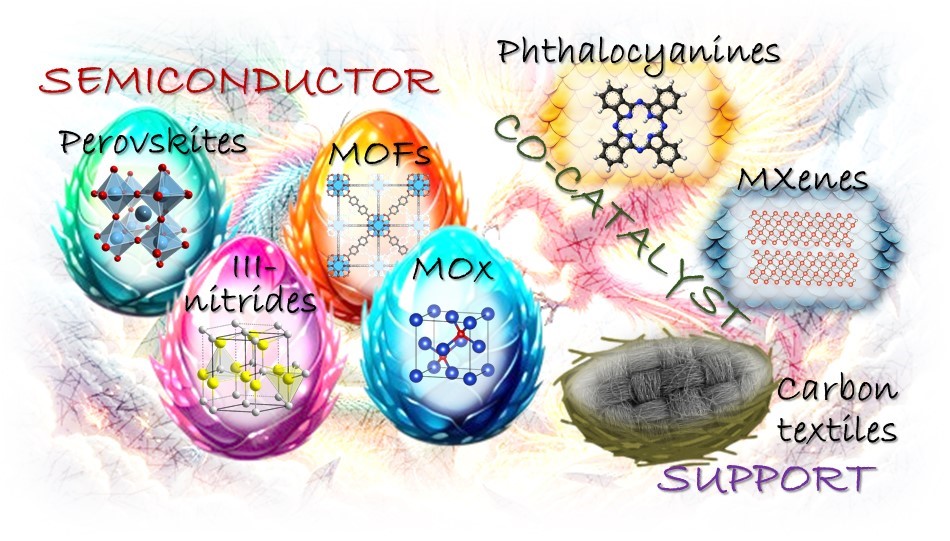
Unique composite materials

Designing new composites by combination of semiconducting MOFs, perovskites, metal oxides and gallium nitride materials for unprecedented material synergy, maximizing activity (STH efficiency/energy transfer) and long-term stability.

Non-precious metal co-catalysts

Exploration of MXenes as non-precious metal co-catalysts, replacing expensive Au, Pt, Pd or less sustainable Ni, Co materials, to improve charge separation and reduce electron-hole recombination.

Carbon textiles as highly conductive supports

Carbon textiles represent an outstanding choice from every perspective - technologically, economically, and sustainability - allowing scalable and sustainable solar-driven hydrogen production.

Phthalocyanines & Porphyrins as Dual Agents

First use of metalated and non-metalated phthalocyanines and porphyrins as both photosensitisers and MOF-ligands to enhance PEC H2 production

Design of new efficient tandem cells for hydrogen production

Development of robust, cost-effective tandem cell devices enabling overall water splitting (OWS) reactions.

Expanding the Photocathode Library

Broader investigation of semiconducting materials and co-catalysts to diversify and improve photocathodes, beyond the current reliance on precious-metals.
Latest News & Events

HYDRAGON at the Beyond the Nanoscale TECHSCALE Workshop
Beyond the Nanoscale TECHSCALE Workshop in Liblice
2026-09-14
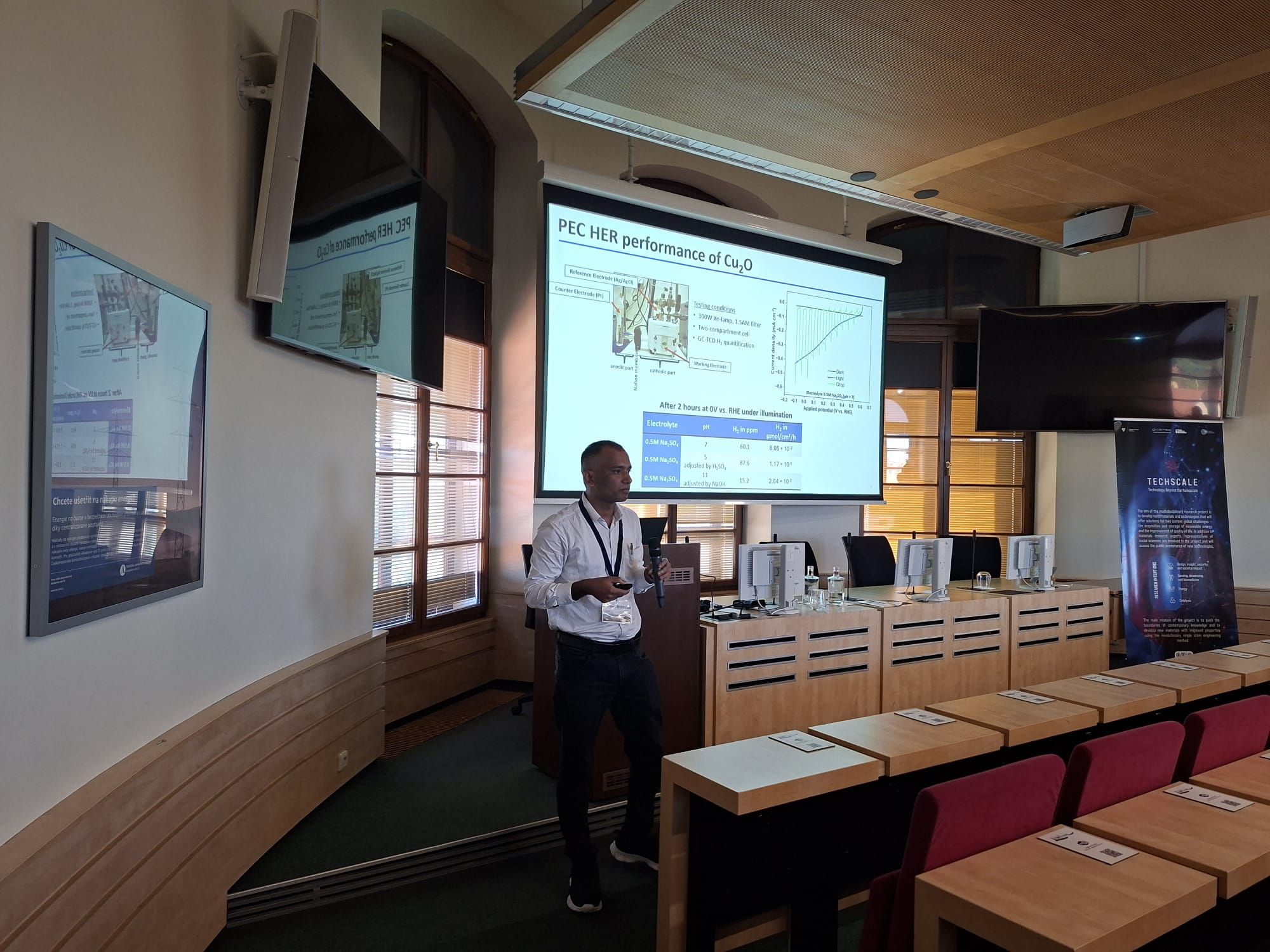
Dr. Parthiban Velayudham participated in the Beyond the Nanoscale TECHSCALE workshop held in Liblice, Czech Republic, where he delivered an oral presentation on enhanced hydrogen production using MXene-modified Cu2O photocathodes.
His presentation, entitled Enhanced hydrogen production in photoelectrocatalytic water splitting using MXene-modified Cu2O photocathodes, focused on the application of MXene-modified copper(I) oxide photocathodes for improving hydrogen production in photoelectrocatalytic water splitting.
More information is available on the workshop website .
Four IMDEA Contributions at CICAT 2026
Dr. Sergio Carrasco representing IMDEA at CICAT 2026 in La Serena, Chile
2026-09-07–09
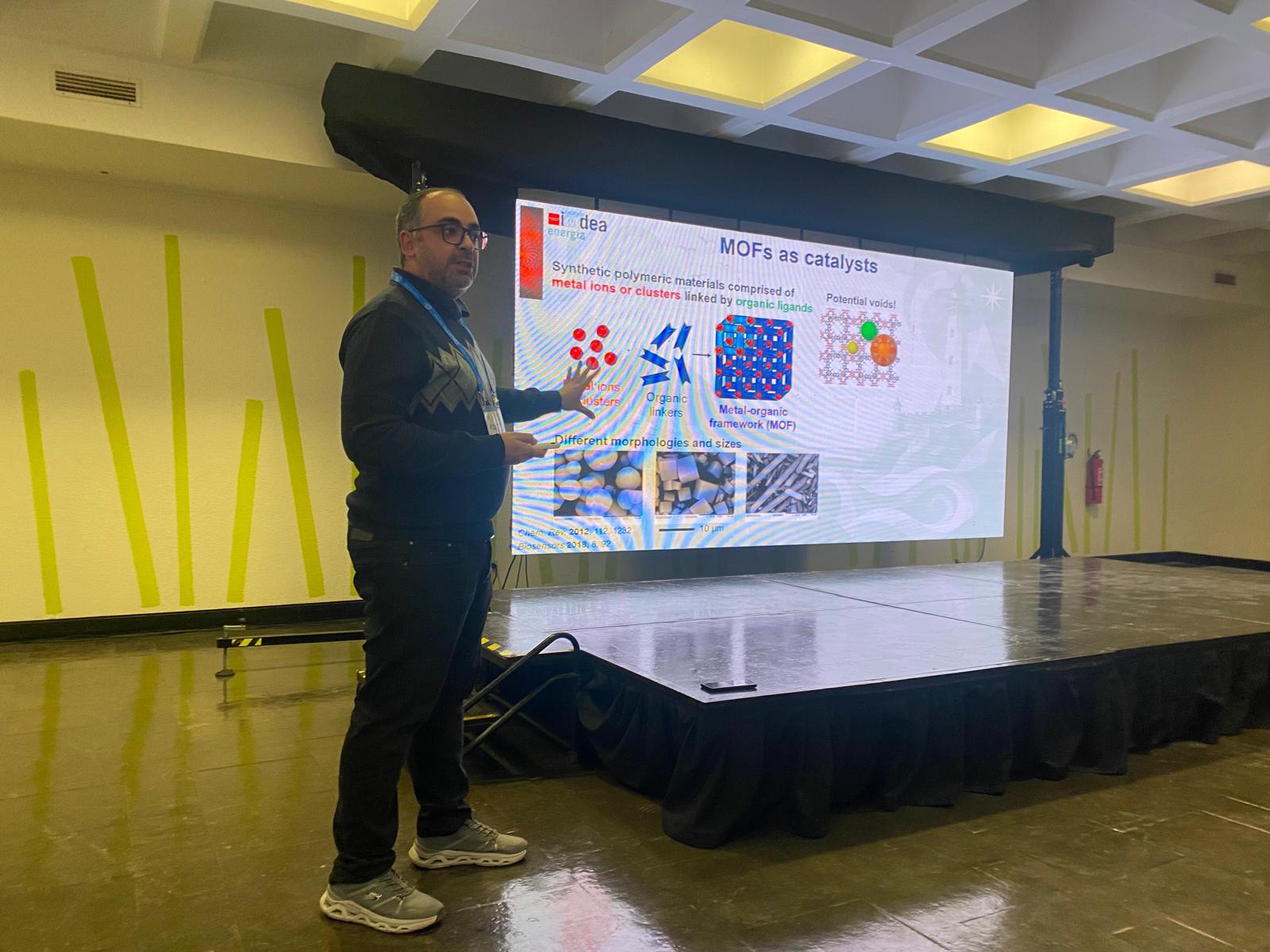
Dr. Sergio Carrasco represented IMDEA at the 30th Ibero-American Congress on Catalysis (CICAT 2026) in La Serena, Chile, contributing two oral presentations and two posters on advanced metal–organic frameworks for photocatalysis, hydrogen production, fuel desulfurization, and CO2 valorization.
Dr. Carrasco presented the following contributions during the conference:
  1. Oral presentation, September 7: V-Doping of Ti/Squarate-Based MOFs Towards the Green Hydrogen Generation Record via Photocatalytic Water Splitting
  2. Poster, September 7: Novel Bimetallic MOFs Based on trans-A2B2 Porphyrins for CO2 Valorization
  3. Poster, September 8: Defect-Engineered Ti(IV) Metal–Organic Frameworks for Boosted Photocatalytic H2 Production
  4. Oral presentation, September 9: A Novel Titanium–Porphyrin MOF for Record-Breaking Fuel Desulfurization
These contributions highlighted the potential of engineered metal–organic frameworks for addressing important challenges in sustainable energy production and environmental catalysis.
Learn more about CICAT 2026 .
Patricia Horcajada Delivers Plenary Lecture at GEZ2026
Patricia Horcajada, plenary speaker at the 4th Meeting of the Spanish Zeolite Group
2026-09-18
Prof. Patricia Horcajada represented IMDEA at the 4th Meeting of the Spanish Zeolite Group (GEZ2026) in Madrid, where she delivered the plenary lecture MOFs para el medioambiente.
The plenary presentation addressed metal–organic frameworks (MOFs) and their potential applications in environmental protection and remediation.
GEZ2026 brought together researchers working on zeolites, metal–organic frameworks, and related porous materials, providing a forum for exchanging recent scientific advances and strengthening collaboration within the Spanish porous materials community.
HYDRAGON Research Visit at Istanbul Technical University
Prof. Dong Ick Son during his HYDRAGON research visit at Istanbul Technical University
2026-06-17–07-17
Prof. Dong Ick Son from the Korea Institute of Science and Technology (KIST) completed a one-month research visit with our HYDRAGON project partners at Istanbul Technical University (ITU), hosted by Prof. Mehmet Suha Yazici.
From June 17 to July 17, 2026, Prof. Son conducted collaborative research on carbon-fiber-based semiconductor photoelectrode materials and photoelectrochemical (PEC) device measurements.
The research stay provided an important opportunity to exchange expertise, combine complementary experimental capabilities, and strengthen cooperation between KIST and ITU within the framework of the HYDRAGON project.
This collaboration highlights the value of international research visits and knowledge exchange in advancing materials and technologies for solar-energy conversion.
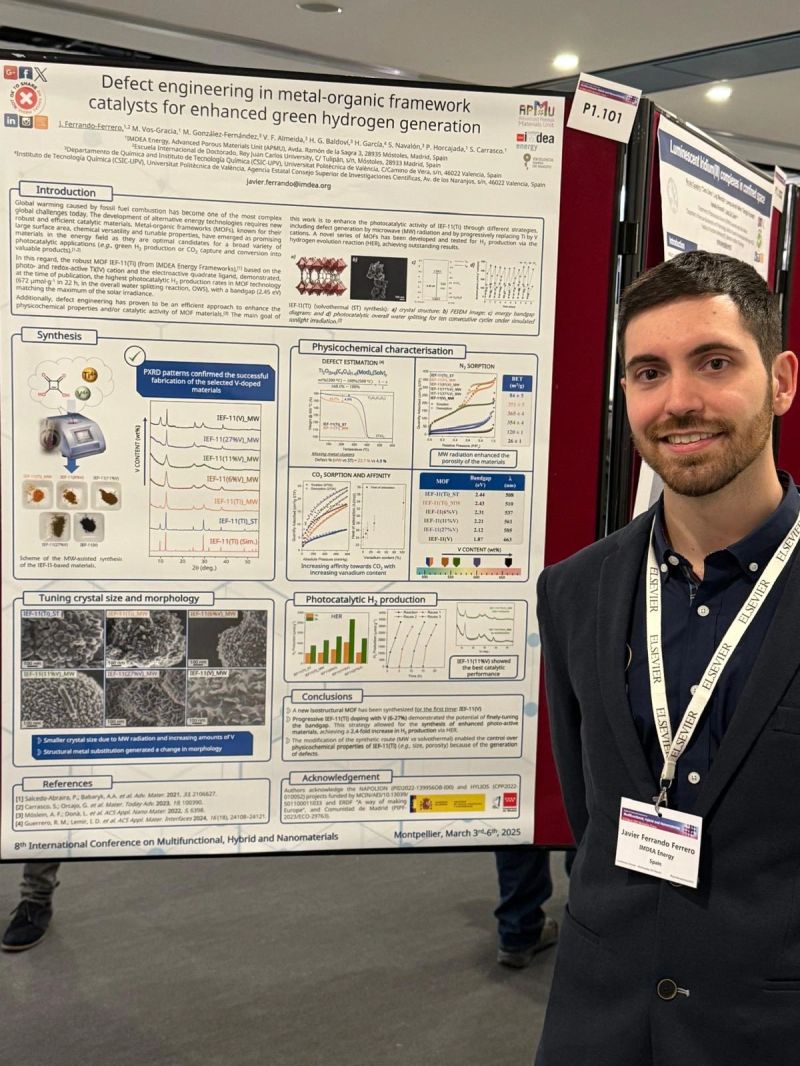
Javier Ferrando Presents Defect-Engineered Ti-MOFs at QIES26
Javier Ferrando presenting IMDEA research at QIES26 in Zamora
2026-09-03
Javier Ferrando represented IMDEA at the Congress on Inorganic and Solid-State Chemistry 2026 (QIES26) in Zamora, Spain, where he delivered an oral presentation on defect engineering in titanium-based metal–organic frameworks.
His presentation, Redesigning the Band Gap in Ti-MOFs to Enhance Photocatalytic Hydrogen Production via Defect Engineering, explored the modification of the electronic properties of Ti-MOFs to improve their performance in photocatalytic hydrogen production.
The work was authored by M. Vos, J. Ferrando, M. González, V. Fernandes, H. G. Baldoví, H. García, S. Navalón, S. Carrasco, and P. Horcajada.
Learn more about QIES26 .
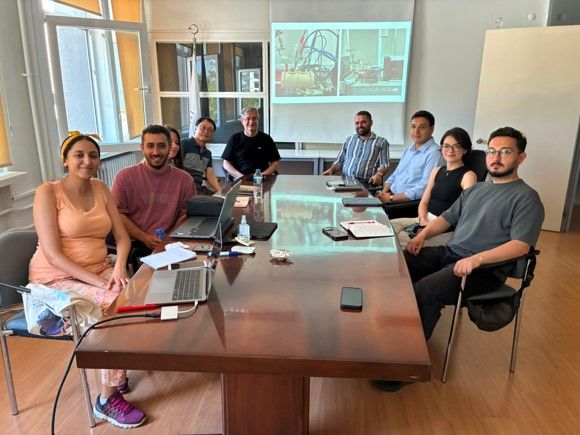
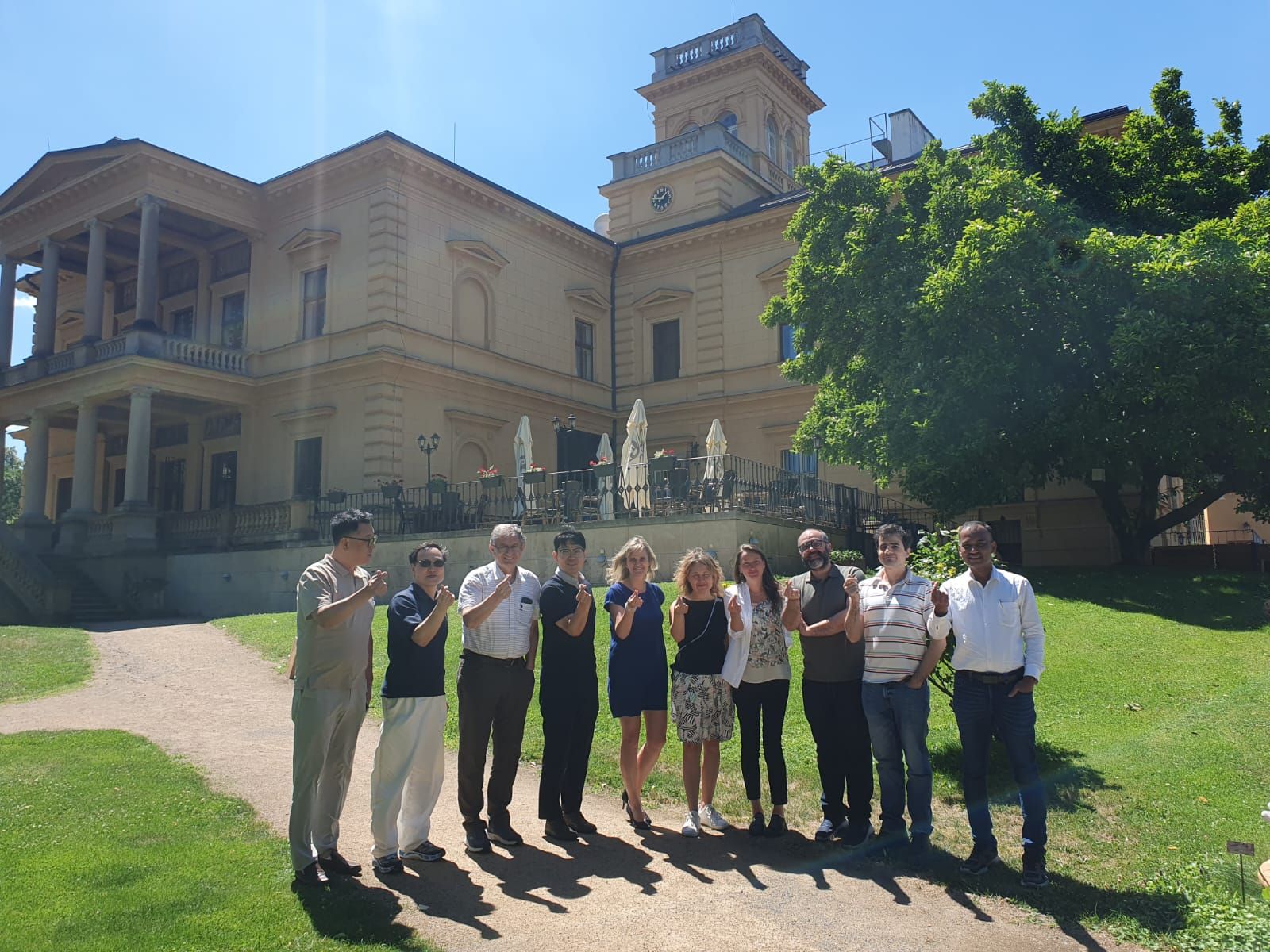
HYDRAGON Consortium Meeting in Prague
HYDRAGON consortium meeting at Charles University in Prague
2026-08-10
After one year of the HYDRAGON project, consortium partners met in person in Prague, Czech Republic, for two days of intensive discussions, project updates, and scientific exchange.
The face-to-face meeting provided an opportunity to review the project's progress, exchange ideas across the consortium, and coordinate the next stages of the collaboration.
The partners also visited the laboratories at Charles University, where they discussed reactor design and evaluated possible technical solutions directly at the experimental level.
HYDRAGON focuses on developing advanced materials and systems for solar-fuel generation. The project combines metal–organic frameworks (MOFs), perovskites, GaN, MXenes, carbon textiles, and metal oxides to design efficient and scalable solutions.
We thank all project partners for the productive discussions and for travelling to Prague. The next consortium meeting will take place in Istanbul.
Learn more about the HYDRAGON project .
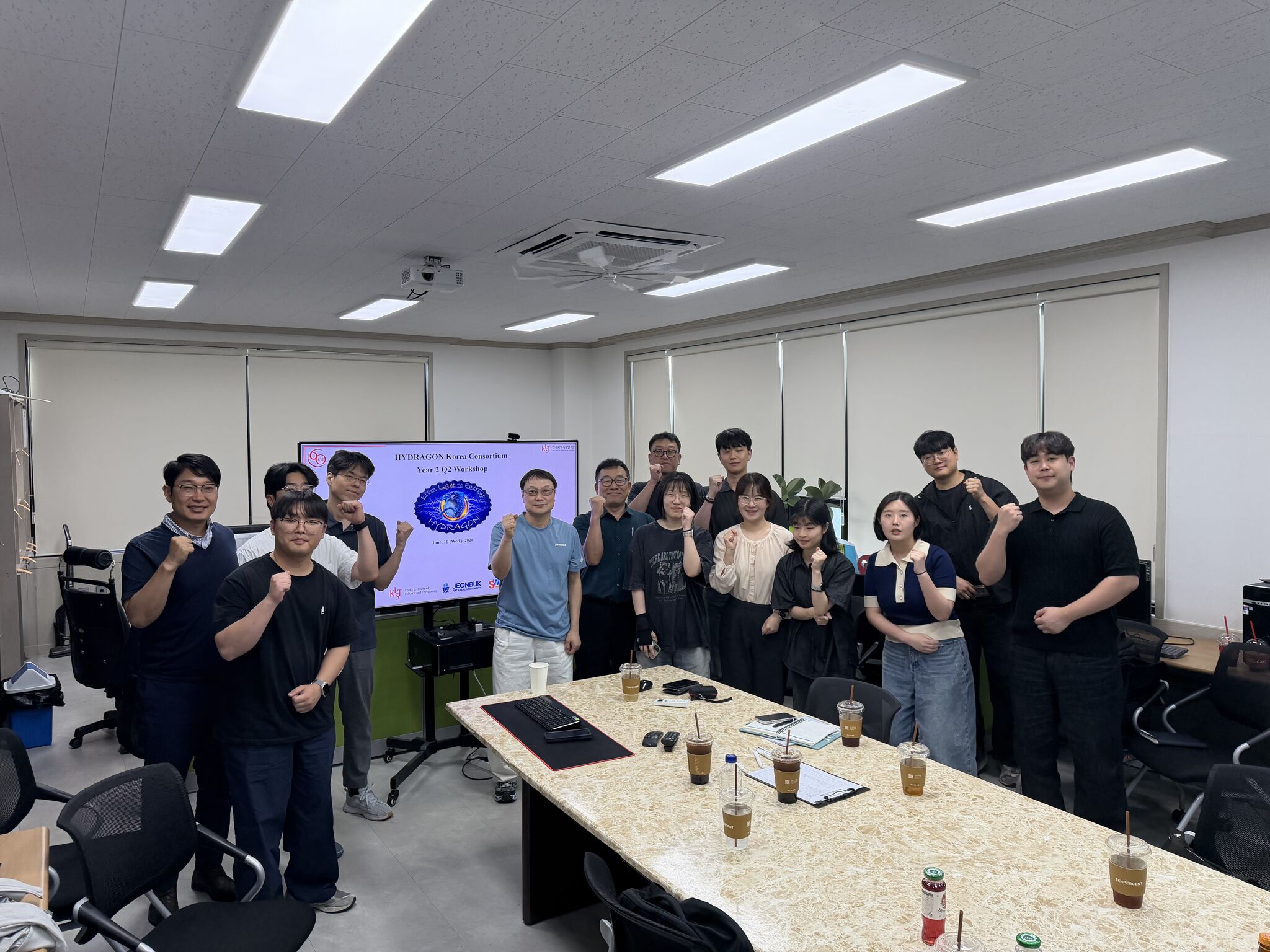
HYDRAGON Korea Consortium Year 2 Q2 Workshop
HYDRAGON Korea Consortium Year 2 Q2 Workshop in Gwangju
2026-06-10
HYDRAGON partners from the Korea Institute of Science and Technology (KIST), Jeonbuk National University (JBNU), and SAMWHAN CO., LTD met in Gwangju for the Korea Consortium Year 2 Q2 Workshop.
The workshop marked the beginning of the second year of the HYDRAGON project. The Korean partners presented their latest research results, agreed on upcoming activities and objectives, and strengthened their scientific and technical collaboration.
The meeting also provided an opportunity to prepare for the full HYDRAGON consortium meeting in Prague, where all project partners would review progress from the first year and coordinate the next stages of the project.
HYDRAGON—From Light to Energy: Synergetic Multifunctional Materials Driving Photoelectrochemical Hydrogen Generation— aims to develop robust and cost-effective photoelectrochemical devices for solar-driven hydrogen production using advanced carbon-based and semiconductor materials.
Learn more about the HYDRAGON project .
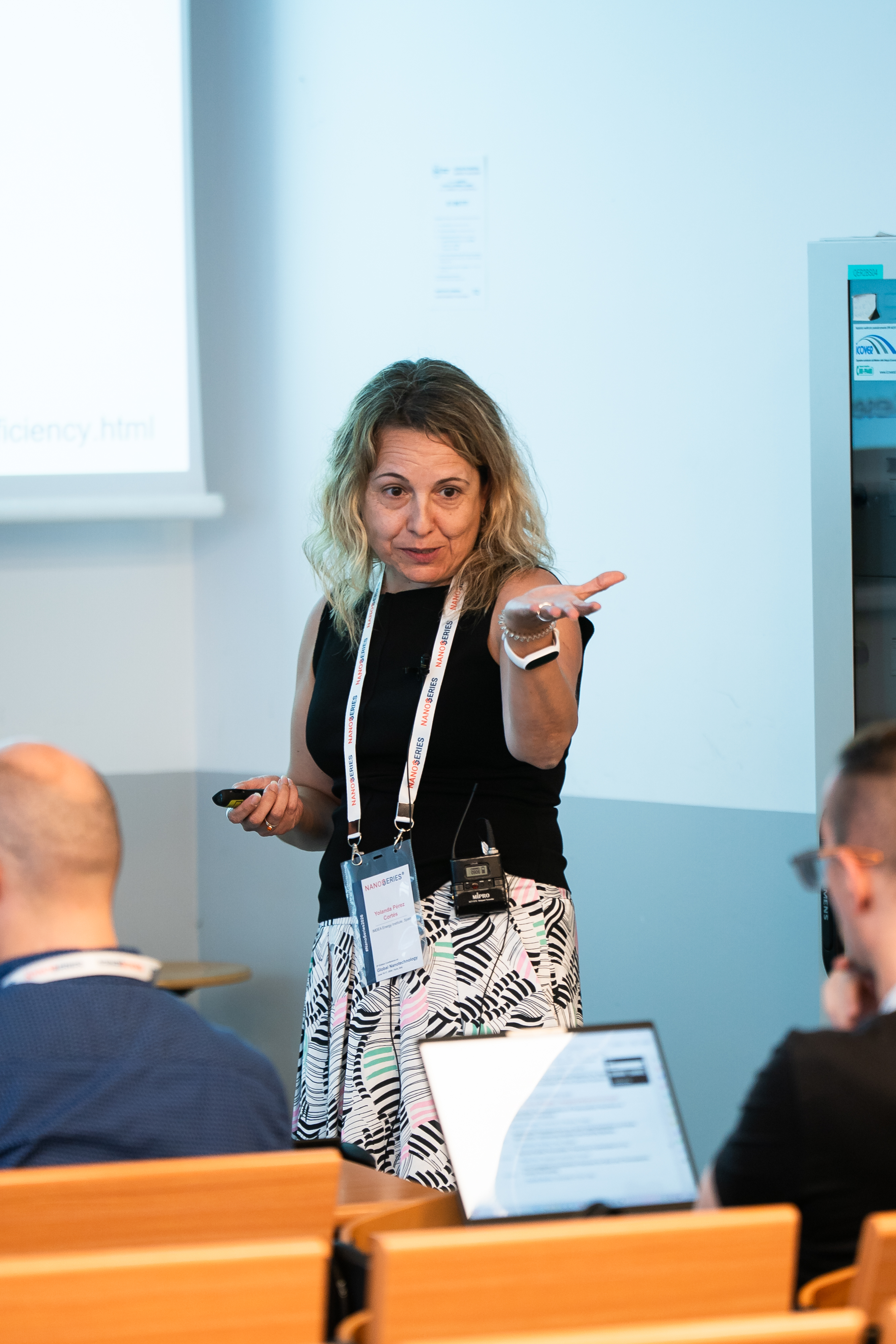
HYDRAGON at NanoSeries 2026 in Turin
Dr.  Yolanda Pérez Cortés at the NanoSeries 2026 conference in Turin
2026-06-15–17
Dr. Yolanda Pérez Cortés from IMDEA participated in the 5th Edition of the NanoSeries Conference on Global Nanotechnology in Turin, Italy, as an invited speaker.
Dr. Cortés delivered an invited talk entitled Harnessing Light for Hydrogen Production: Bismuth-Based Perovskite-Inspired Materials.
Her presentation introduced research on bismuth-based perovskite-inspired materials and their potential application in light-driven hydrogen production within the framework of the HYDRAGON project.
The conference brought together researchers working across nanoscience, nanotechnology, and advanced functional materials at the Polytechnic University of Turin.
More information is available on the NanoSeries 2026 website .
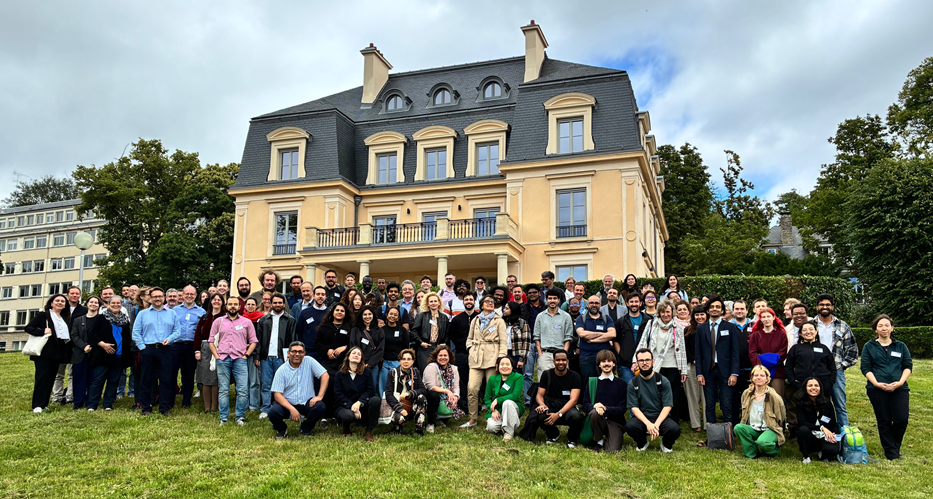
HYDRAGON at the French Porous Materials Conference 2026
IMDEA Energy at the French MOFs, COFs and Porous Polymers Conference 2026
2026-06-11–12
Dr. Sergio Carrasco Garrido from IMDEA Energy represented the HYDRAGON project at the French MOFs, COFs and Porous Polymers Conference 2026 in Versailles, France.
Dr. Carrasco delivered an oral presentation entitled Pioneering Vanadium-Squarate MOFs: Microwave-Induced Defect Engineering for Enhanced Photocatalytic Water Splitting.
The presented research explores microwave-induced defect engineering in vanadium-squarate metal–organic frameworks (MOFs) as a strategy for enhancing photocatalytic water-splitting performance and supporting sustainable hydrogen production.
The work was authored by J. Ferrando, M. Vos, M. González, V. Fernandes, H. G. Baldoví, H. García, S. Navalón, P. Horcajada, and S. Carrasco.
The conference brought together French and European researchers working on MOFs, covalent organic frameworks (COFs), porous polymers, and other advanced porous materials.
More information is available on the conference website .

Our Publications

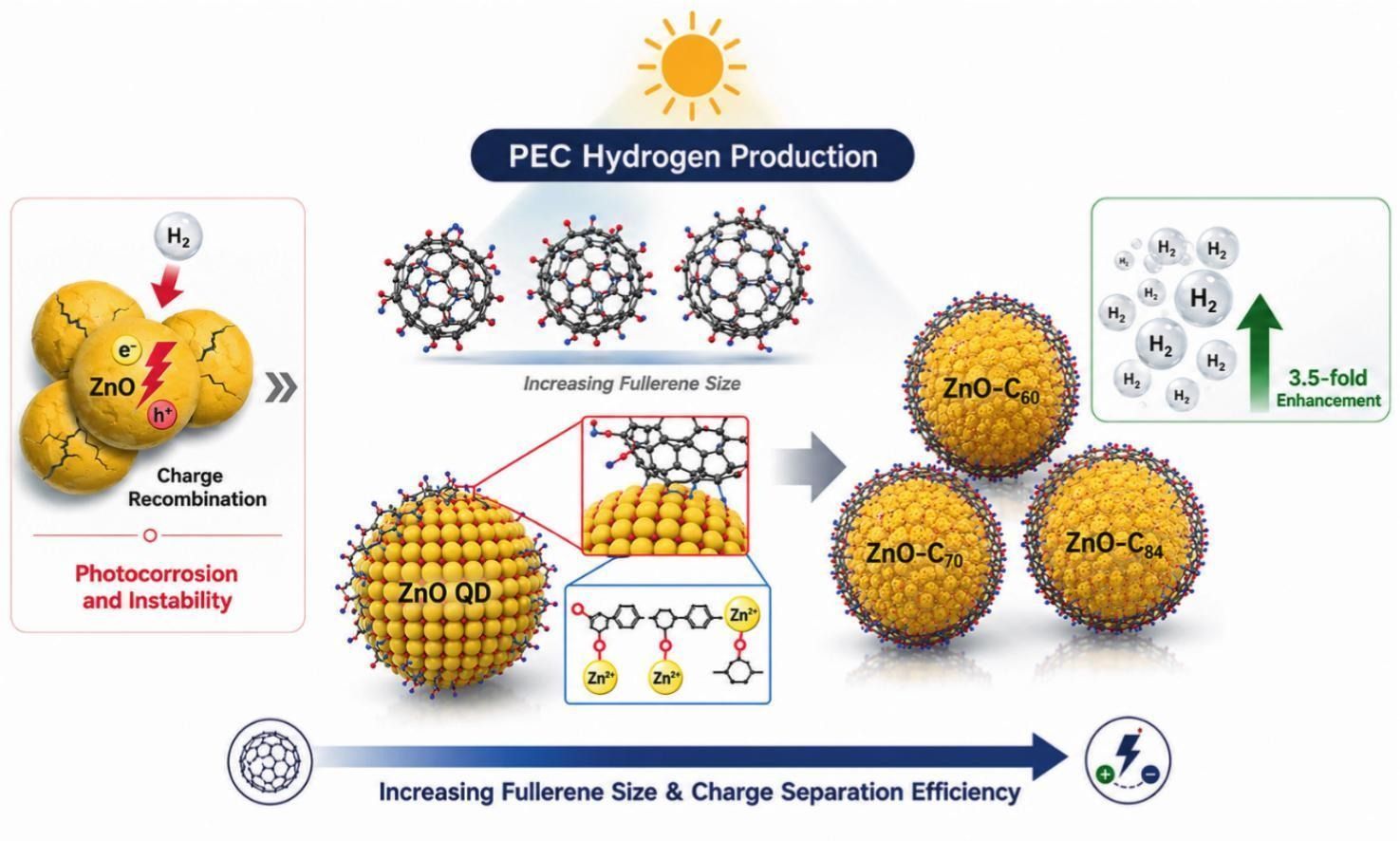
Graphical abstract for ZnO–fullerene core–shell quantum-dot nanocomposites for hydrogen production
Hydrogen Production via Direct Core–Shell Conjugation of Functionalized Fullerenes and ZnO QDs with Accelerated Optical Catalytic Properties
Chemical Engineering Journal, 2026, Article 180535
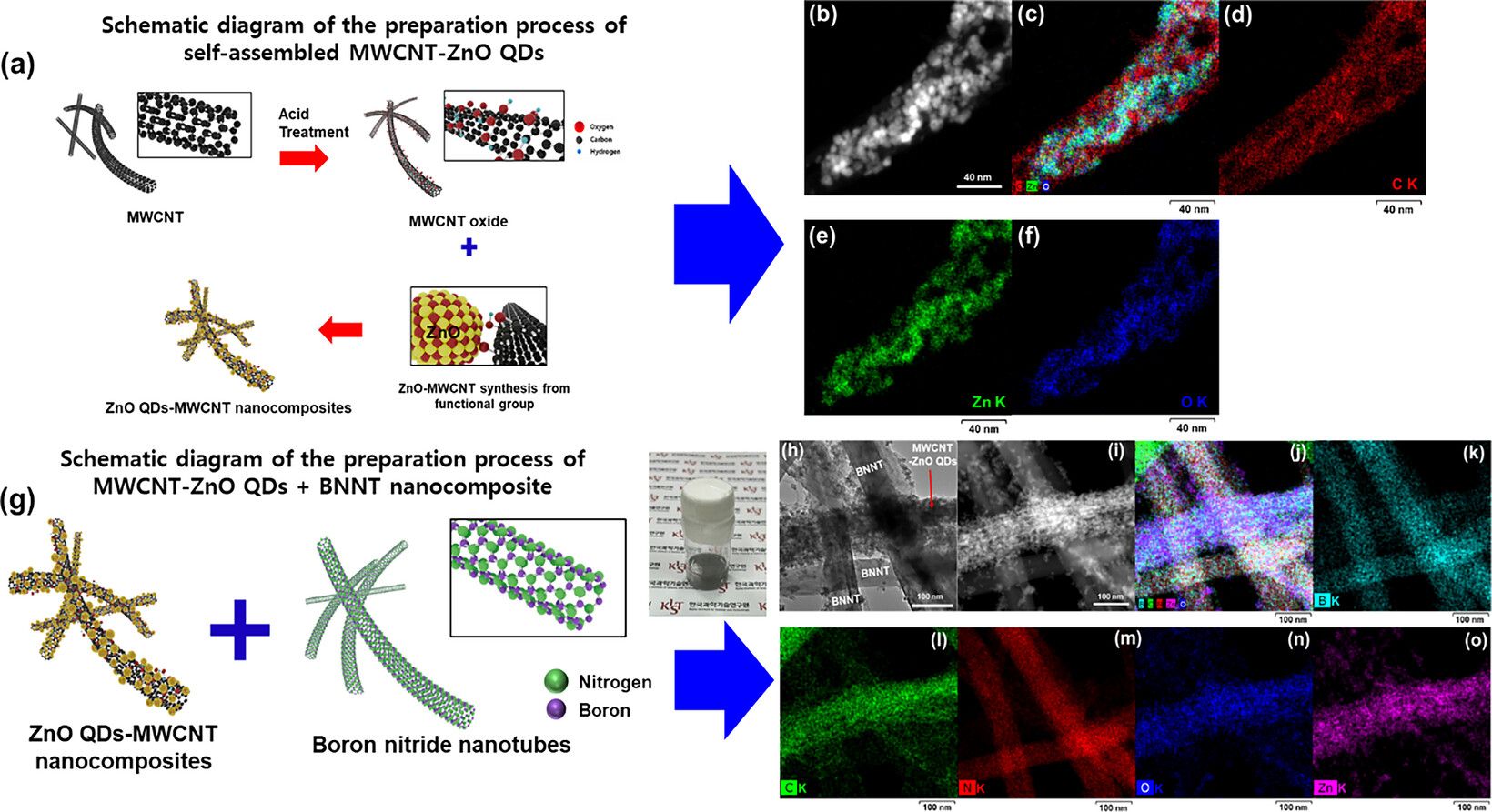
Graphical abstract for a flexible memristive device based on BNNT/MWCNT–ZnO quantum-dot hybrid networks
Bio-Compatible Flexible Memristive Devices Enabled by BNNT/MWCNT–ZnO Quantum Dot Hybrid Percolation Networks
Small, 2026, e75269
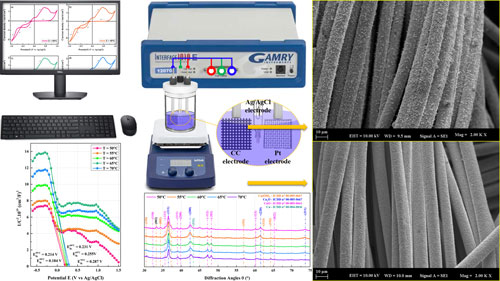
Graphical abstract for Cu2O/CuO heterostructures on carbon cloth paper
Nucleation and Film Growth on the Electrochemical Deposition of Cu2O/CuO Heterostructures on Carbon Cloth: I. Effect of Deposition Temperature
Journal of The Electrochemical Society, 2026
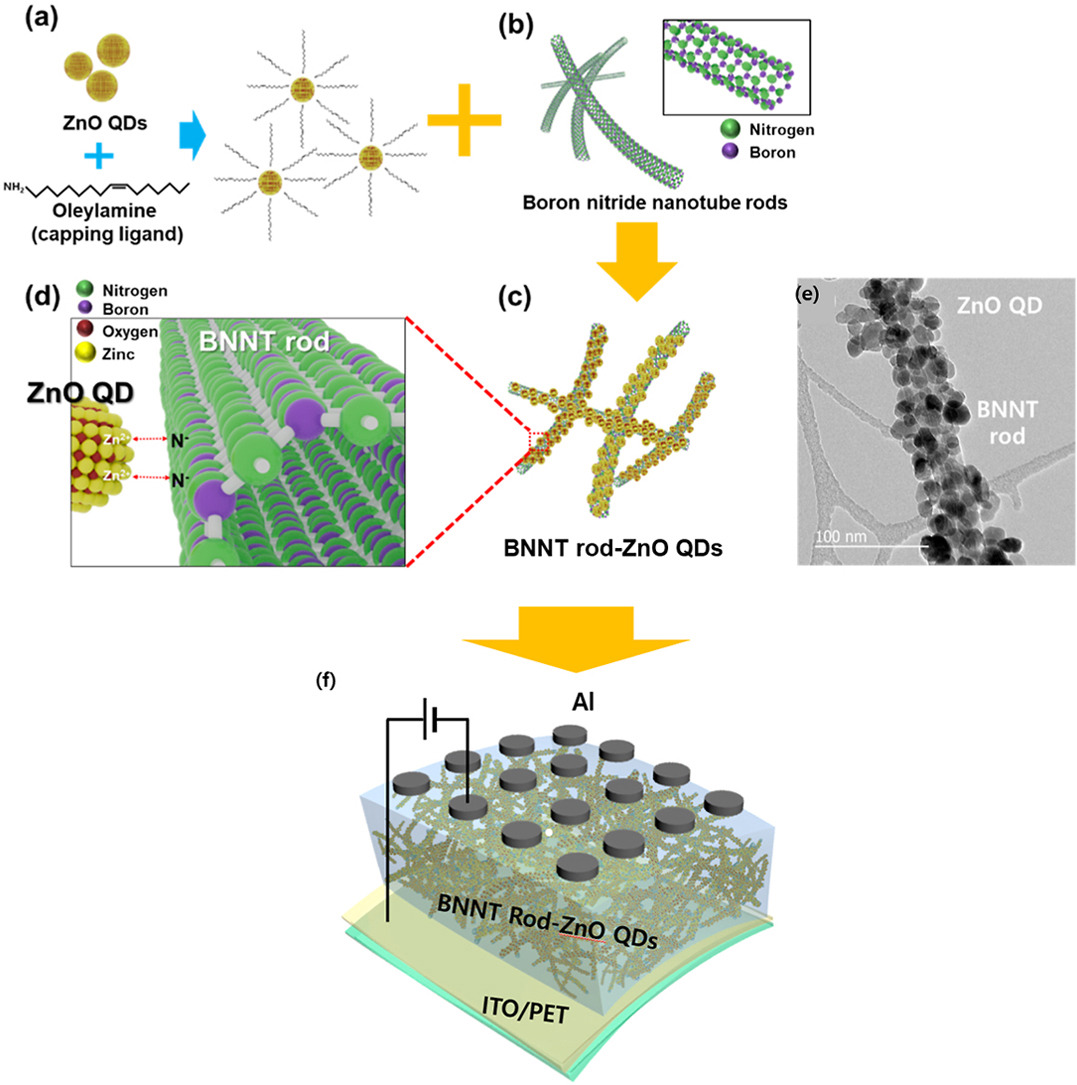
Graphical abstract for BNNT–ZnO quantum dot nanocomposites resistive memory paper
Mechanically flexible BNNT–ZnO quantum dot nanocomposites for high-performance resistive memory applications
Journal of Materiomics, 2026
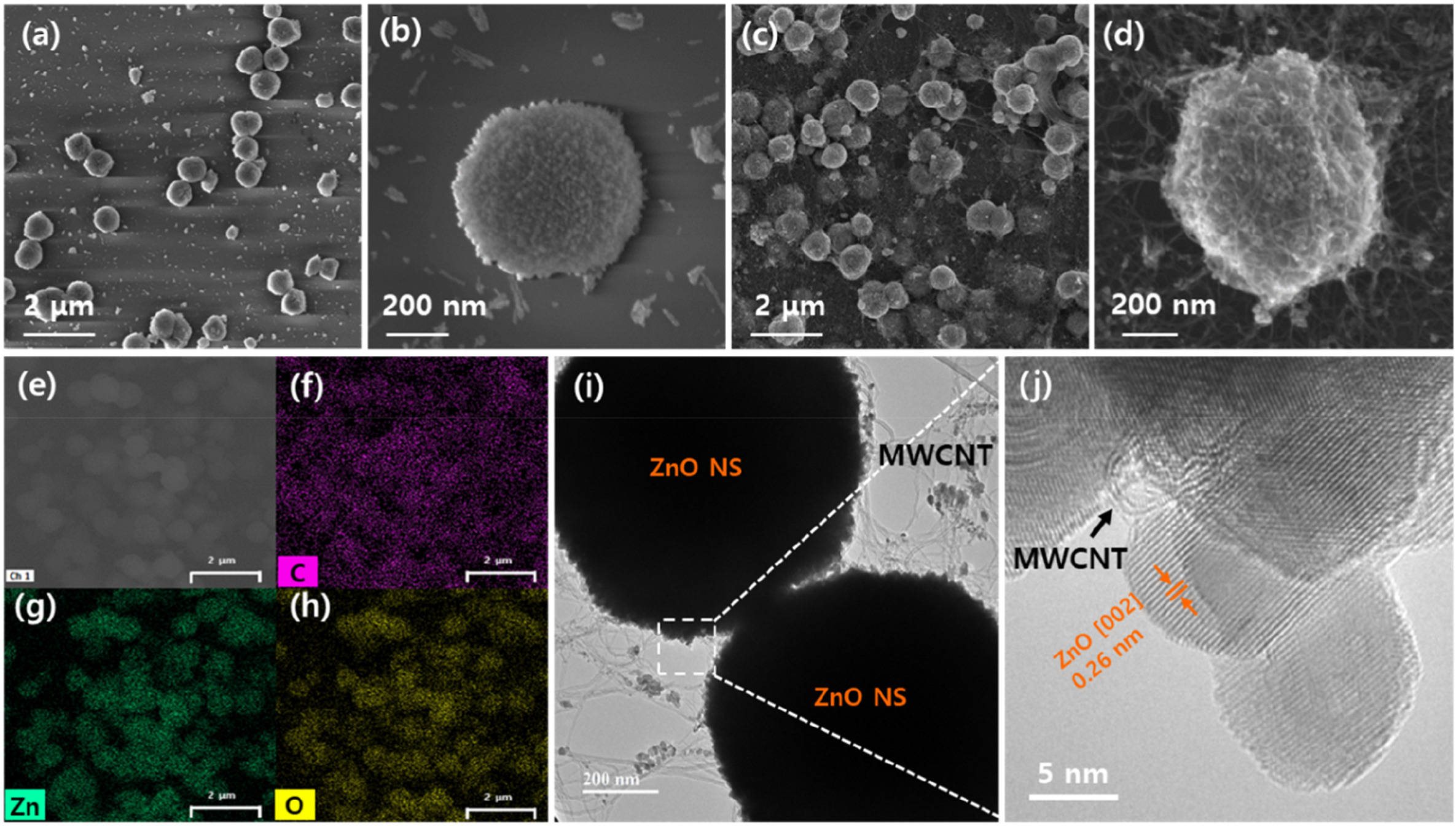
ZnO nanosphere–MWCNT composite photoanode
Rationally designed zinc oxide nanosphere and multi-walled carbon nanotube composite with enhanced photocatalytic and photoelectrochemical performance
Journal of Power Sources, 2026
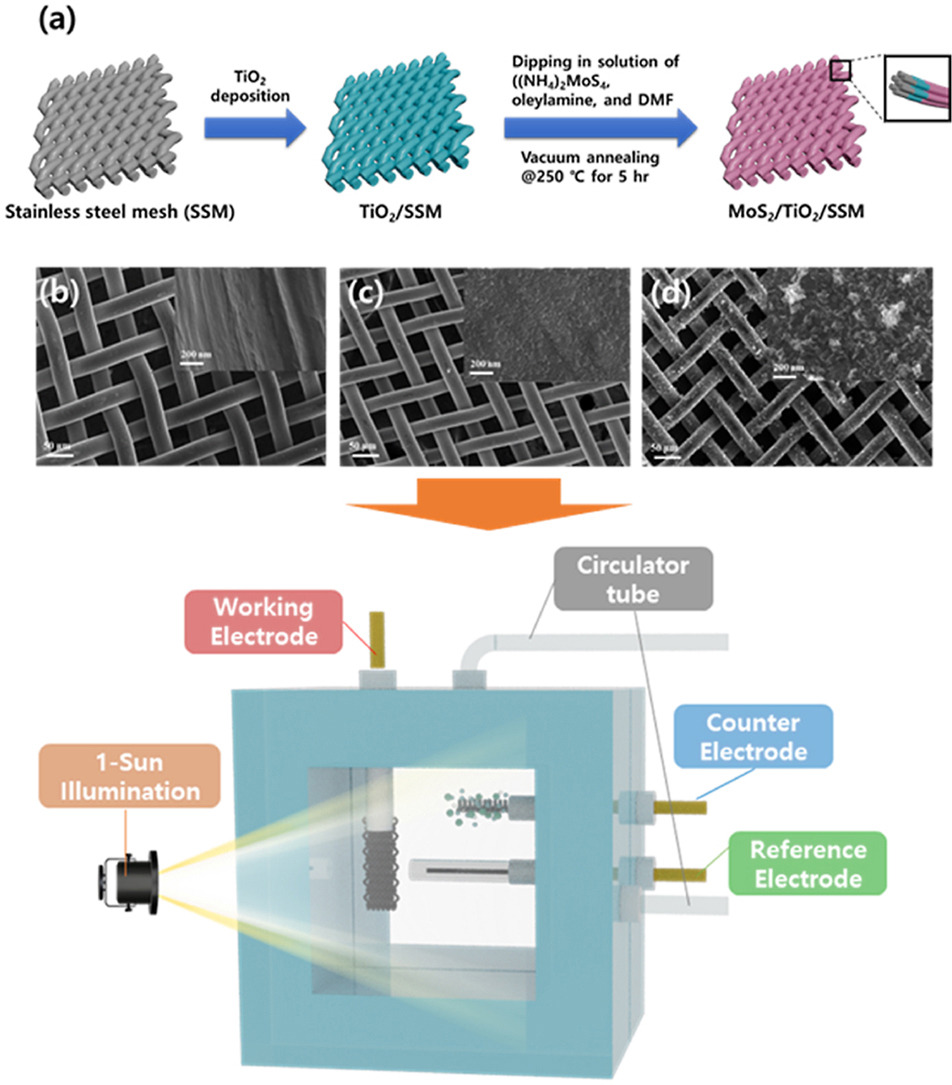
MoS2/TiO2 photoanodes on porous stainless steel mesh
Efficient visible-light-driven hydrogen evolution with MoS2/TiO2 heterojunction photoanodes on porous stainless steel mesh
International Journal of Hydrogen Energy, 2025
<
Graphical Abstract
Controlling Band-Bending for Perovskite Optoelectronic Devices Using Bismuth-Based Interlayers
ACS Omega, 2025

Join the Hydragon Network

Contact Us
Hydragon logo large