• Center for Multidimensional Materials

    Catalysis, Energy, and Micro-robotics


Center for Multidimensional Materials (CMM) Lab

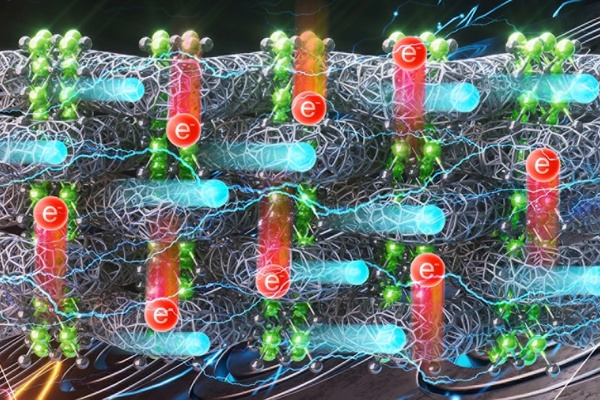
CMM Lab develops next-generation advanced materials based on covalent-organic frameworks (COFs), metal-organic frameworks (MOFs), and MXene–carbon-hetero architectures with integrated structural and functional performance. Our research explores how crystalline porous frameworks and layered hybrid systems enable efficient charge transport, tunable porosity, and responsive behavior for applications in actuation, sensing, catalysis, and energy technologies. By engineering framework chemistry and hierarchical nanostructures, we bridge fundamental materials design with practical device functionality.

People of the Group

Research Topics

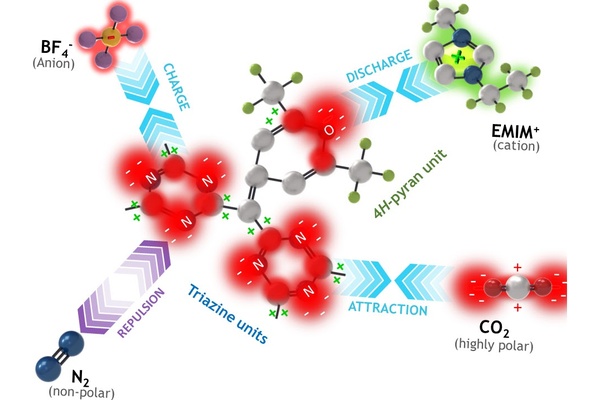
COF for Selective Gas Uptake and Supercapacitors

Covalent organic frameworks enable precise control over pore chemistry and size, delivering highly selective gas uptake and efficient ion transport. This structural tunability positions COFs as powerful materials for next-generation …

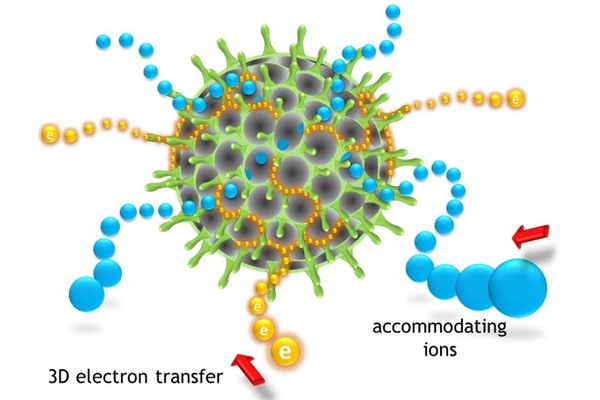
CTF as Host for Aqueous Metal/Metal-ion Batteries

Covalent triazine frameworks provide nitrogen-rich, structurally robust hosts that regulate metal-ion transport and interfacial reactions in aqueous batteries. This framework-engineered control enables safe, high-rate, and long-life aqueous metal and metal-ion …

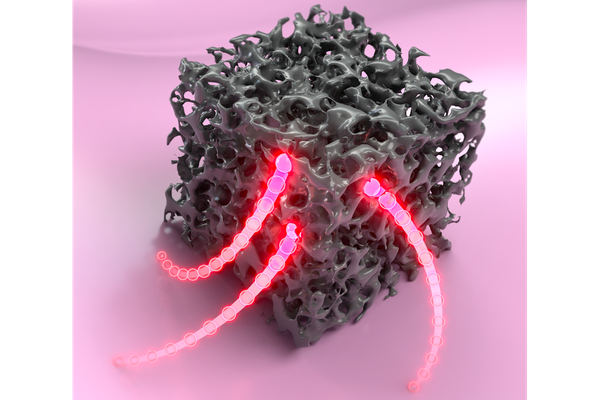
MOF Discovery for Flexible Electronics

Metal–organic frameworks offer tunable, porous, and mechanically compliant platforms that regulate charge transport and interfacial processes in flexible electronics. This MOF-driven materials discovery enables bendable, lightweight, and high-performance electronic systems …

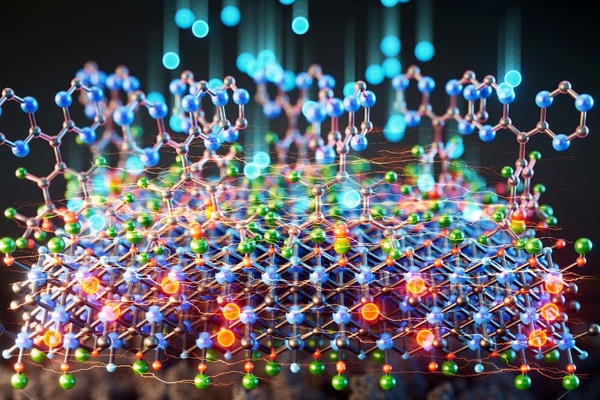
MXene-COF for Catalysis and Energy Storages

MXene–COF offer a pathway to overcome the fundamental trade-offs that limit existing active materials, where electronic conductivity, charge-storage capacity, and ion-transport efficiency are often mutually constrained. By integrating the metallic …

MXene-MOF for Electrochemical Devices

MXene–MOF hybrid architectures integrate metallic charge transport with framework-engineered ion pathways, overcoming the intrinsic limitations of conventional electrochemical materials. This synergy enables high-rate, high-capacity, and durable electrochemical devices for energy …

Selected Publications

List of 53 publications

(10 currently shown)